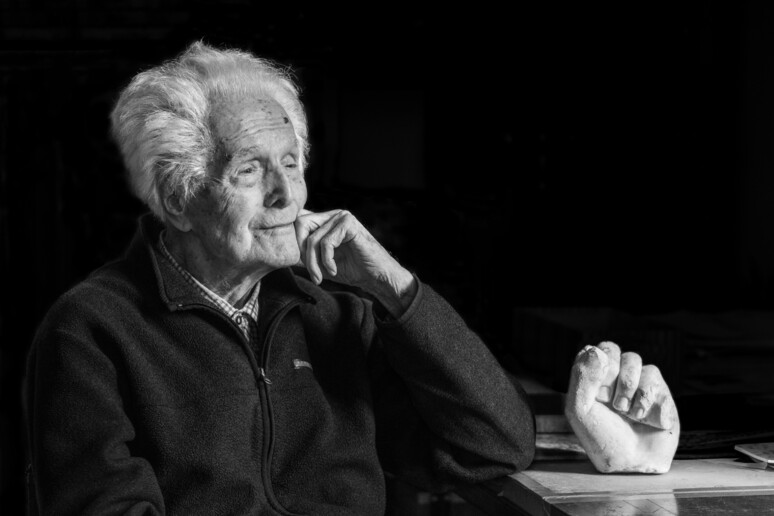
Evaluation Guido Strazza
Guido Strazza Valuations - Want to sell a Guido Strazza piece? Request a complimentary and confidential valuation!Colasanti Casa d'Aste will review your submission and offer a free-of-charge estimate, if your item is suitable for our auctions.
biography
Guido Strazza is an Italian artist born on December 21, 1922, in Santa Fiora (Grosseto). He spent his childhood and youth in his hometown before enrolling at La Sapienza University in Rome, where he graduated in civil engineering in 1946. At the age of twenty, in 1942, he joined the Italian Futurist circle and exhibited aeropainting works alongside Filippo Tommaso Marinetti, a leading figure of the Futurist movement. In 1948, he left his engineering career to fully dedicate himself to painting.
In the following years, Strazza traveled and worked in South America, particularly in Brazil, Chile, and Peru, participating in the São Paulo Biennials of 1951 and 1953. While in Lima, he collaborated with artists and architects on the reconstruction of Callao after a devastating earthquake. In 1954, he returned to Italy, settling between Milan and Venice, where he experienced a period of intense creative activity. He exhibited works such as "Racconti segnici su pitture in rotolo" at the Ludwig Museum in Cologne and "Dutch Landscapes" at the Stedelijk Museum in Amsterdam.
Throughout his career, Strazza also explored printmaking, focusing on the relationship between sign, light, and color. He participated in major exhibitions including the 1968 Venice Biennale and the 10th National Quadriennale in Rome. He lived and worked in Rome, where he served as a professor and director at the Academy of Fine Arts. His artistic research centers on the sign as a key to the essence of nature, blending painting and engraving techniques.
Strazza's works have been shown in numerous solo and group exhibitions in Italy and abroad and are featured in prestigious auctions such as those held by Colasanti Auction House. He is recognized as an important figure in 20th-century Italian art, combining Futurist heritage with ongoing formal experimentation.
In the following years, Strazza traveled and worked in South America, particularly in Brazil, Chile, and Peru, participating in the São Paulo Biennials of 1951 and 1953. While in Lima, he collaborated with artists and architects on the reconstruction of Callao after a devastating earthquake. In 1954, he returned to Italy, settling between Milan and Venice, where he experienced a period of intense creative activity. He exhibited works such as "Racconti segnici su pitture in rotolo" at the Ludwig Museum in Cologne and "Dutch Landscapes" at the Stedelijk Museum in Amsterdam.
Throughout his career, Strazza also explored printmaking, focusing on the relationship between sign, light, and color. He participated in major exhibitions including the 1968 Venice Biennale and the 10th National Quadriennale in Rome. He lived and worked in Rome, where he served as a professor and director at the Academy of Fine Arts. His artistic research centers on the sign as a key to the essence of nature, blending painting and engraving techniques.
Strazza's works have been shown in numerous solo and group exhibitions in Italy and abroad and are featured in prestigious auctions such as those held by Colasanti Auction House. He is recognized as an important figure in 20th-century Italian art, combining Futurist heritage with ongoing formal experimentation.
Past lots of Guido Strazza
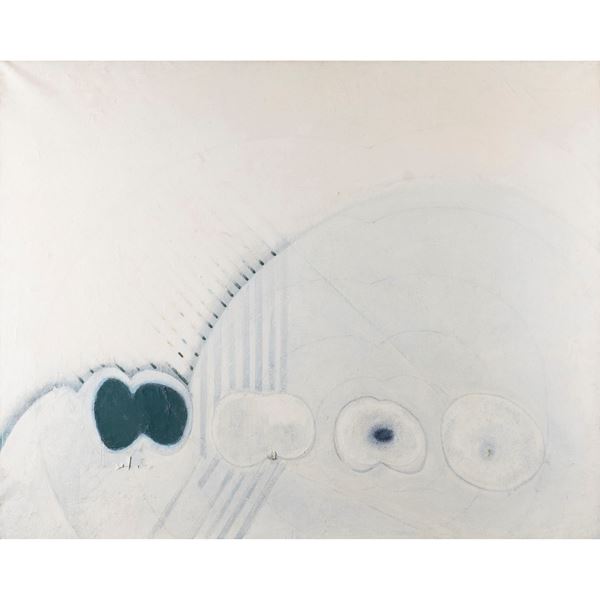
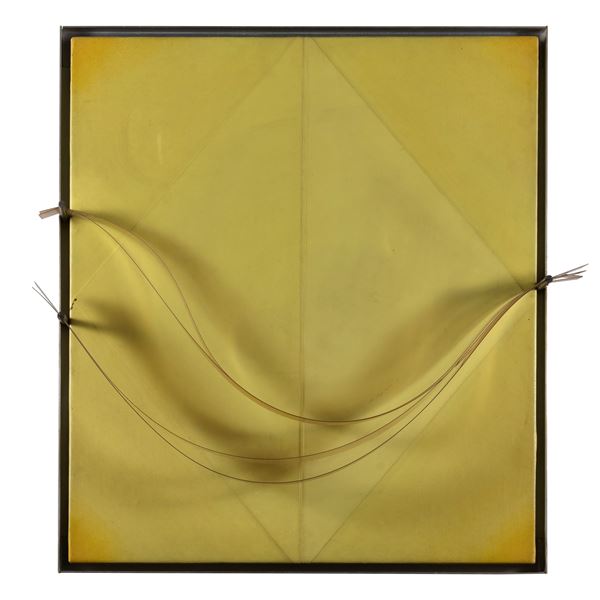
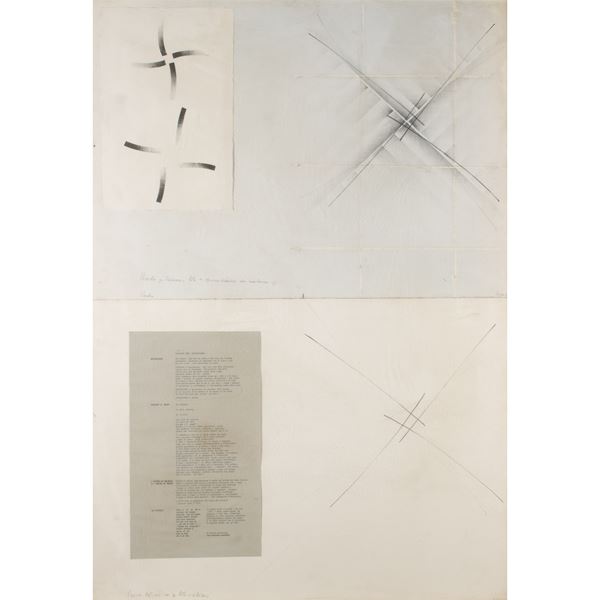
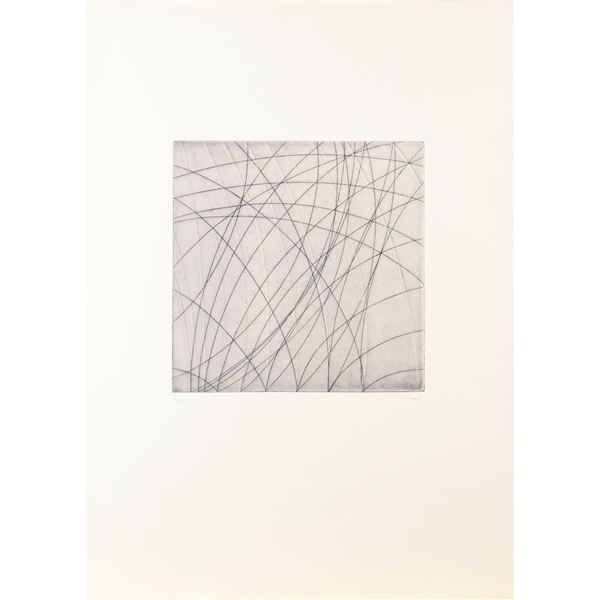
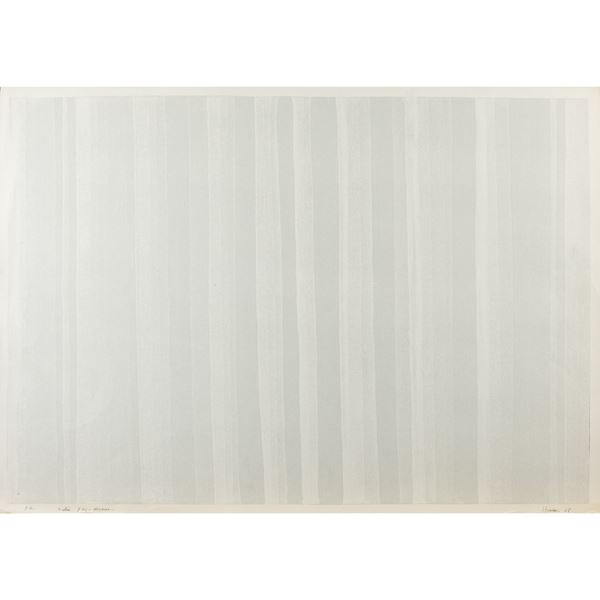
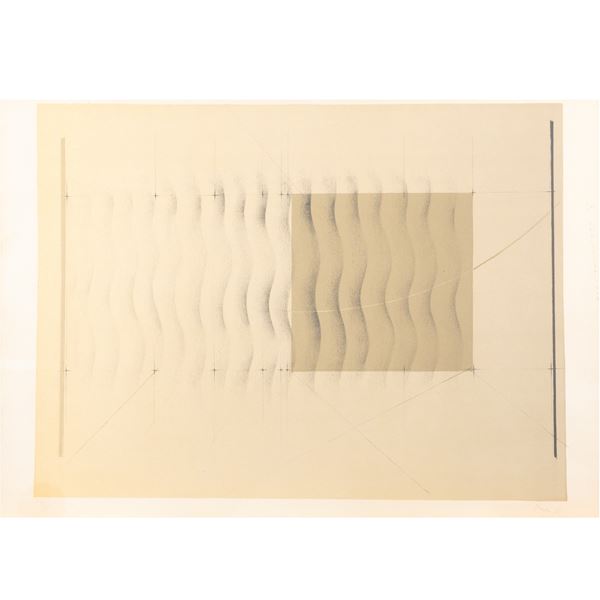
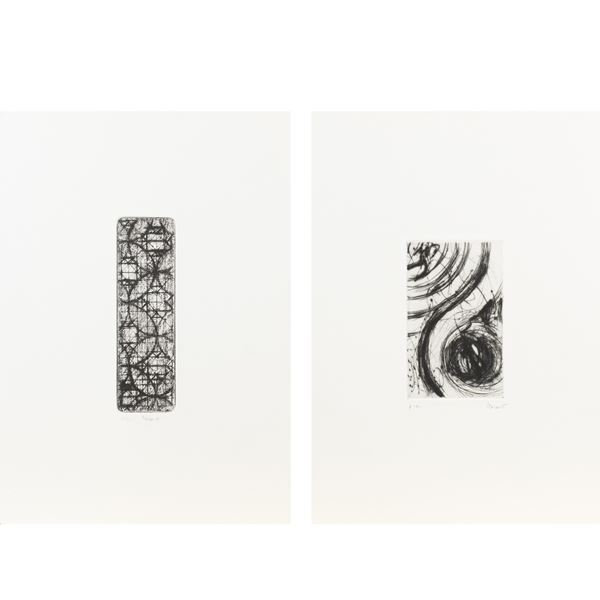
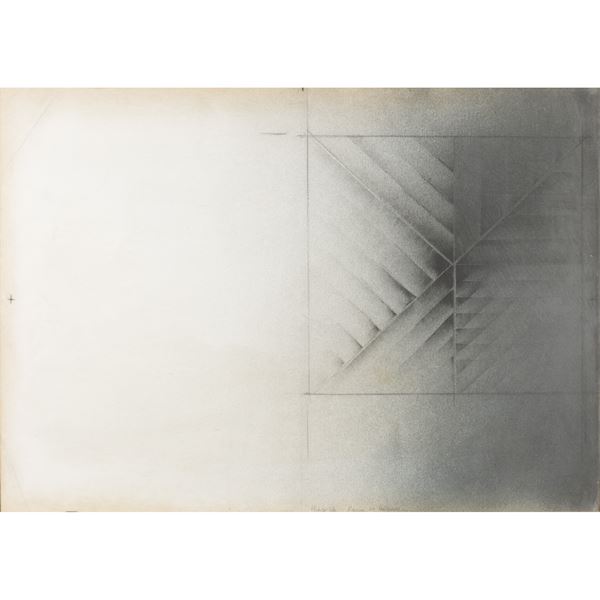
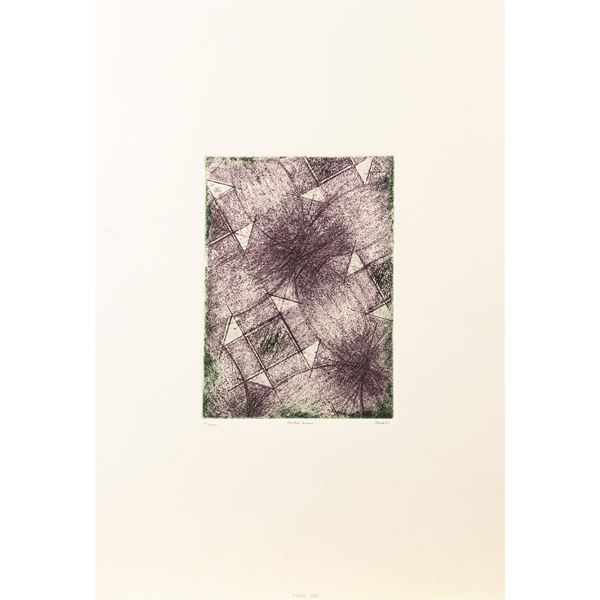
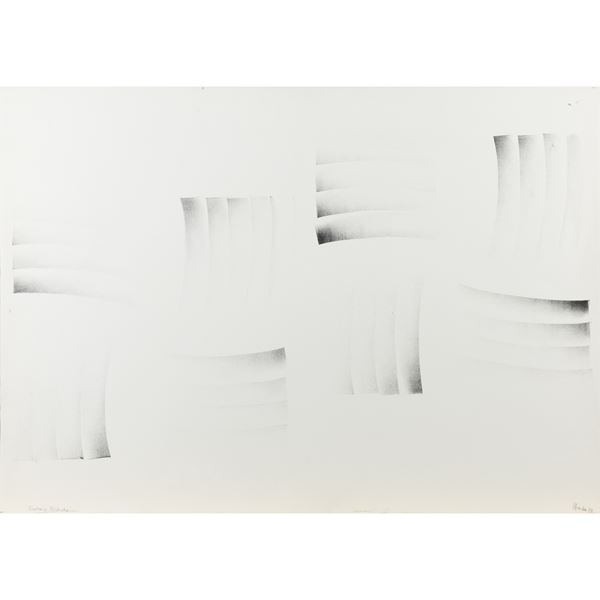
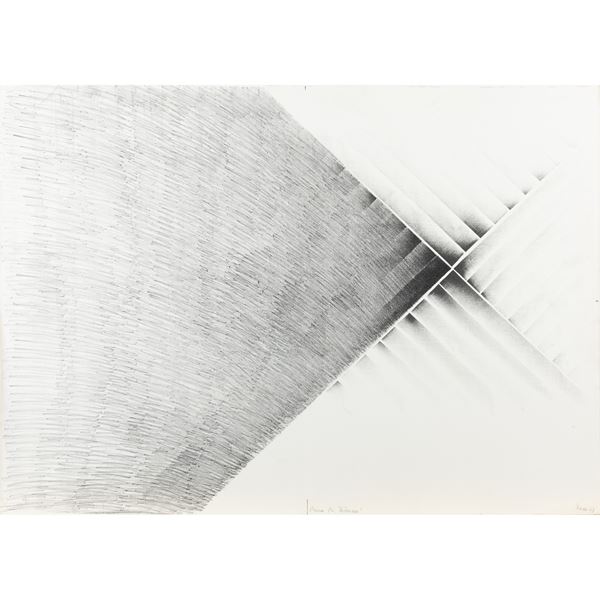
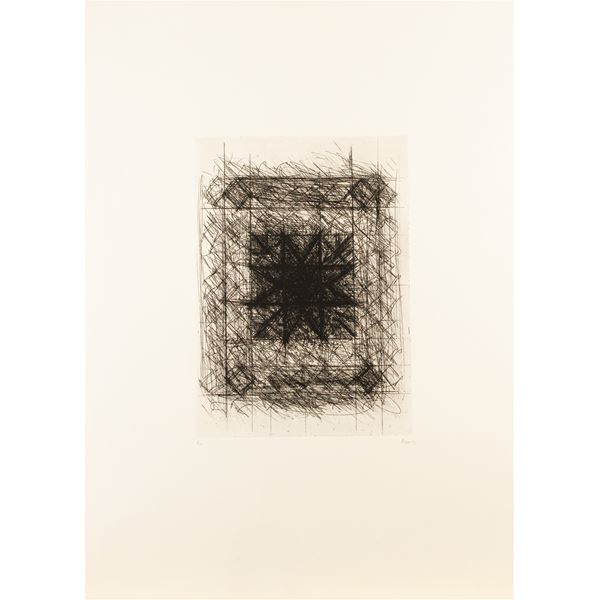
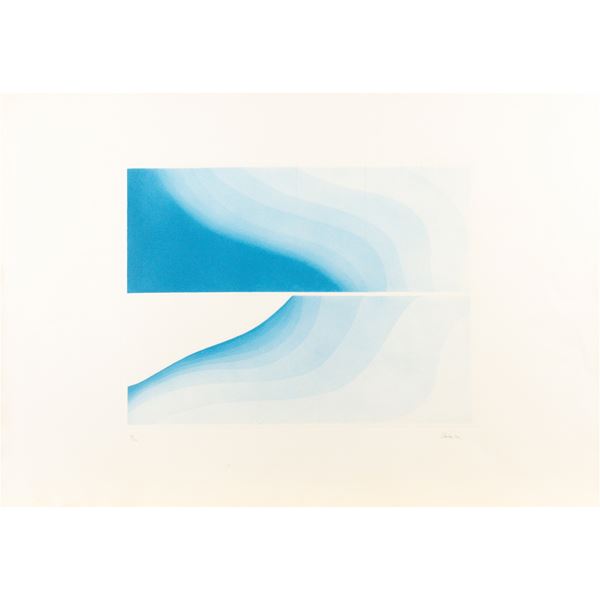
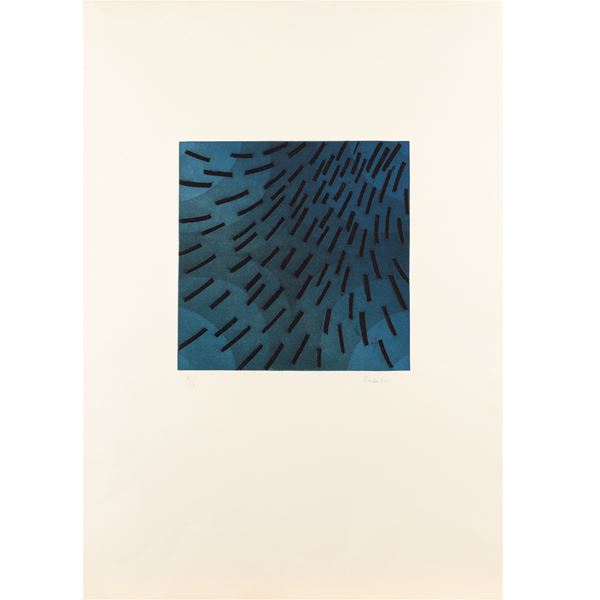
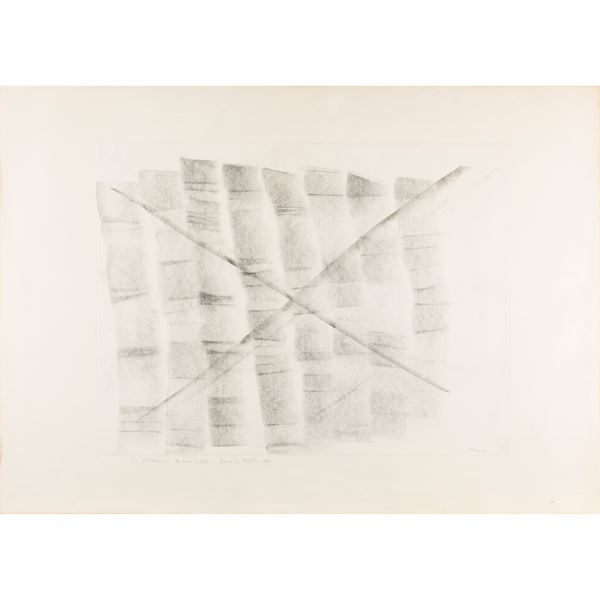

Guido Strazza
(Santa Fiora, 1922)
"Untitled"
mixed technique on canvas, signed and dated on the back, within frame, some color falls
Sold
Guido Strazza
(Santa Fiora, 1922)
"Untitled"
acrylic on panel and plastic bands, within a metal frame
Sold
Guido Strazza
(Santa Fiora, 1922)
'Studio per Ricercare'
mixed media collage on paper, print on paper and lithographs, signed and dated on the top sheet, within a frame
Sold
Guido Strazza
(Santa Fiora, 1922)
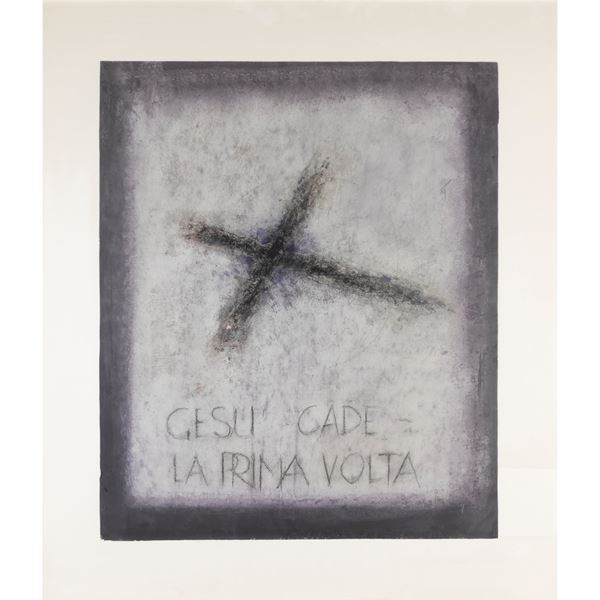
"Gesù cade la prima volta"
mixed technique on paper, signed and dated lower right, within a frame
Sold
Guido Strazza
(Santa Fiora, 1922)
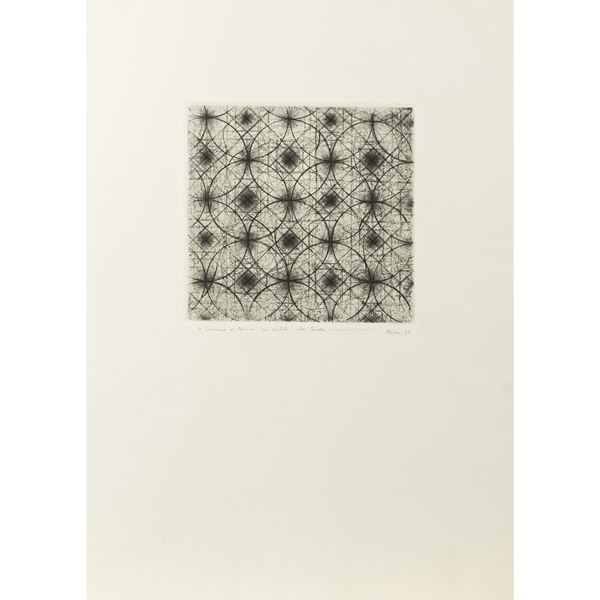
"Untitled"
etching, e.g. nd., signed and dated lower right, dedication lower left, free sheet
Sold
Guido Strazza
(Santa Fiora, 1922)
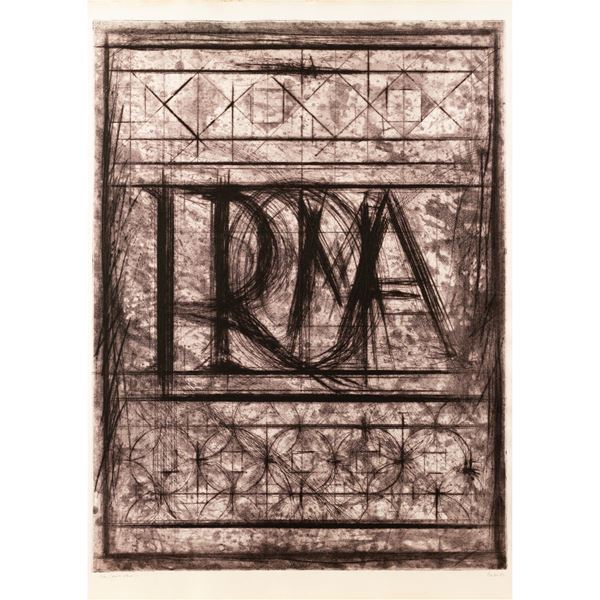
"Cosmatesca"
aquatint, e.g. 21/30, signed and dated lower right, in original folder with personal dedication.
Engraving created for the [..]
Sold
Guido Strazza
(Santa Fiora, 1922)
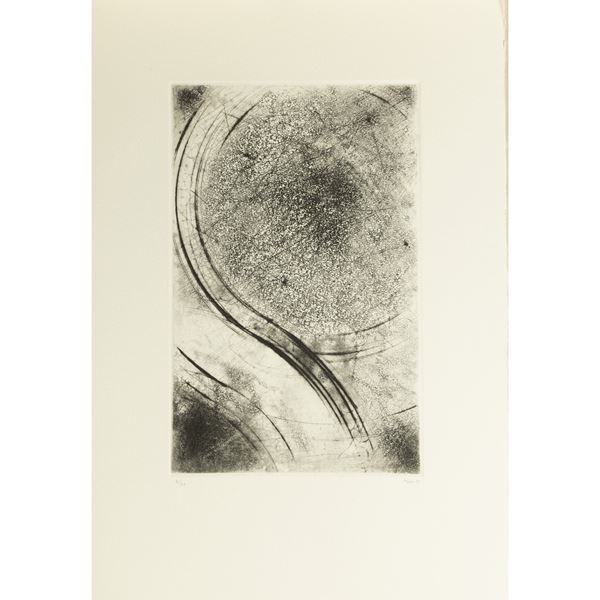
"Untitled"
etching, e.g. p.a. (color proof), signed and dated lower right, free sheet
Sold
Guido Strazza
(Santa Fiora, 1922)
"Untitled"
lithography, e.g. 11/20, signed lower right
Sold
Guido Strazza
(Santa Fiora, 1922)
Guido Strazza
Sold
Guido Strazza
(Santa Fiora, 1922)
"Christmas"
color lithograph, e.g. 3/25, signed and dated lower right, free sheet.
Original lithograph made in 25 numbered and signed [..]
Sold
Guido Strazza
(Santa Fiora, 1922)
"Untitled"
two etchings and aquatints, ex. p.a., signed and dated lower right, free sheets
Sold
Guido Strazza
(Santa Fiora, 1922)
"Prova per Ricerche"
aquatint, e.g. Artist's proof, signed and dated lower center, within frame
Guido Strazza
(Santa Fiora, 1922)
"Hortus"
color etching, e.g. V/XXVIII, signed and dated lower right, free sheet
Guido Strazza
(Santa Fiora, 1922)
"Prova per Ricerche"
etching, artist's proof, signed and dated lower right, free sheet
Guido Strazza
(Santa Fiora, 1922)
"Prova per Ricerche"
lithography, e.g. Artist's proof, signed and dated lower right, free sheet
Guido Strazza
(Santa Fiora, 1922)
"Untitled"
etching, e.g. 1/40, signed and dated lower right, free sheet
Guido Strazza
(Santa Fiora, 1922)
"Untitled"
color aquatint, e.g. 9/10, signed and dated lower right, free sheet
Guido Strazza
(Santa Fiora, 1922)
"Untitled"
color aquatint, e.g. 4/14, signed and dated lower right, free sheet
Guido Strazza
(Santa Fiora, 1922)
"Untitled"
charcoal on paper, signed and dated lower center, dedicated lower left, within frame
Guido Strazza
(Santa Fiora, 1922)
'Untitled'
mixed media on paper on panel, signed and dated on the back, within a frame